No-Code vs. Custom Code: Which Path is Right for Your Startup?
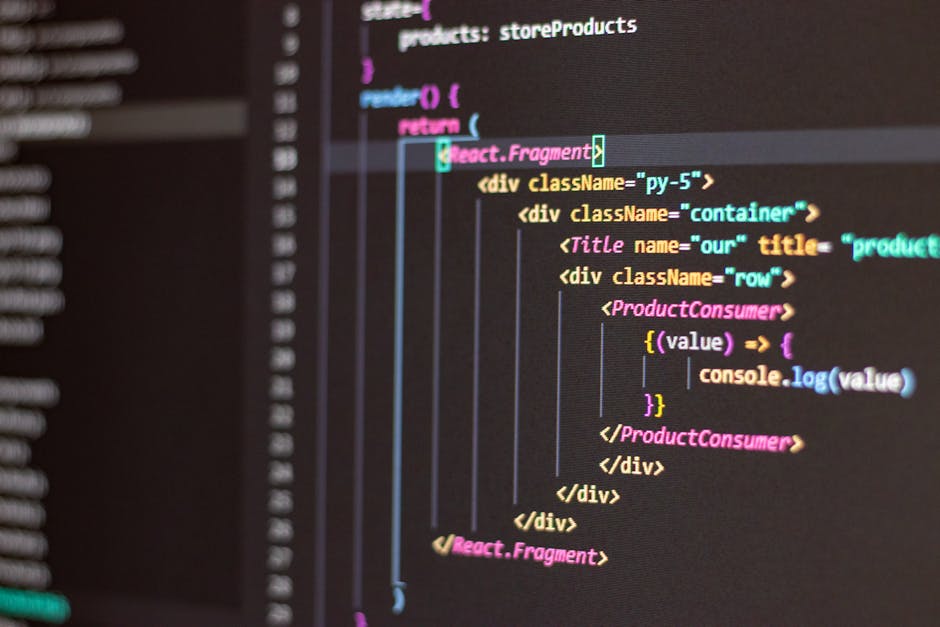
Photo by Antonio Batinić on Pexels
No-Code vs. Custom Code: Which Path is Right for Your Startup?
Choosing the right technology path for your startup is a critical decision that can significantly impact your speed to market, budget, and long-term scalability. The debate between no-code and custom code development is a common one, and understanding the nuances of each approach is essential for making an informed decision.
Understanding the Landscape: No-Code vs. Custom Code
Before diving into specific scenarios, let's define what we mean by no-code and custom code.
No-Code Development
No-code platforms allow you to build applications and automate processes without writing a single line of code. They typically offer drag-and-drop interfaces, pre-built components, and visual workflows, empowering non-technical users to create functional software. Think of tools like Bubble, Webflow, Zapier, and Airtable.
Custom Code Development
Custom code, on the other hand, involves writing code from scratch using programming languages like Python, JavaScript, or Java. This approach provides maximum flexibility and control over every aspect of your application.
When No-Code Shines: Speed, Validation, and Simplicity
No-code is often the ideal choice for startups in the following situations:
- Rapid Prototyping: Need to quickly validate an idea or build a minimum viable product (MVP)? No-code platforms allow you to build and iterate rapidly, getting your product in front of users faster.
- Simple Applications: For straightforward applications like landing pages, internal tools, or simple data management systems, no-code can deliver results quickly and cost-effectively.
- Limited Technical Resources: If your team lacks extensive coding expertise, no-code empowers you to build and maintain applications without hiring expensive developers.
- Process Automation: Automating repetitive tasks and workflows is a sweet spot for no-code. Tools like Zapier can connect different applications and automate data transfer, saving time and reducing errors.
Platforms like KDS Stock Images complement this low-code approach by providing free, royalty-free stock image libraries that you can readily incorporate into your no-code creations, making your MVP look professional from day one.
When Custom Code is Essential: Complexity, Scale, and Control
While no-code offers numerous advantages, there are situations where custom code is the only viable option:
- Complex Functionality: When your application requires highly specialized features or intricate logic, custom code provides the necessary control and flexibility.
- Scalability Requirements: If you anticipate significant user growth and need to optimize performance at scale, custom code allows you to fine-tune your application for maximum efficiency.
- Data Security and Compliance: For applications that handle sensitive data and must comply with strict regulations (e.g., HIPAA, GDPR), custom code provides greater control over security measures.
- Integration with Legacy Systems: Integrating with older, custom-built systems often requires custom code to bridge the gap.
- Unique User Experiences: If you need a highly customized and differentiated user experience, custom code allows you to create designs and interactions that are simply not possible with no-code platforms.
Navigating the Gray Areas: Hybrid Approaches
The choice between no-code and custom code is not always binary. A hybrid approach, combining the strengths of both, can be a powerful strategy. For example:
- No-Code Front-End, Custom Code Back-End: Use a no-code platform to build the user interface and handle simple logic, while relying on custom code for complex data processing and backend operations.
- No-Code for MVPs, Custom Code for Scaling: Start with a no-code MVP to validate your idea, and then gradually transition to custom code as you scale and require more control.
Long-Term Considerations: Scalability and Maintainability
Thinking beyond the initial build is crucial. Consider the long-term implications of your chosen approach:
Scalability
While no-code platforms are becoming increasingly scalable, they may eventually reach their limits. Consider the potential costs and complexities of migrating from a no-code platform to a custom code solution if your application grows significantly.
Maintainability
Custom code can be more difficult to maintain, especially if the codebase is poorly documented or the original developers are no longer available. However, well-written and documented code can be more adaptable to future changes than some no-code solutions.
Vendor Lock-In
Be aware of vendor lock-in with no-code platforms. Ensure that you can export your data and potentially migrate to another platform or custom code solution if necessary.
Key Questions to Ask Before Choosing a Path
Before making a decision, ask yourself the following questions:
- What problem are you trying to solve?
- What are your scalability requirements?
- What level of customization do you need?
- What is your budget?
- What technical expertise does your team possess?
- How important is data security and compliance?
- What are the potential long-term costs and risks?
Answering these questions honestly will help you determine the best approach for your startup.
Actionable Strategy: A Phased Approach
A smart strategy is to adopt a phased approach. Start with no-code to quickly validate your idea and build an MVP. As your application grows and your needs evolve, gradually introduce custom code to address specific limitations and ensure scalability. This allows you to leverage the speed and cost-effectiveness of no-code while maintaining the flexibility and control of custom code for the long term.


Comments
Post a Comment